

Invisalign® offers a modern alternative to traditional braces for people who want a discreet, controllable way to straighten their teeth. By combining digital planning with custom-made clear aligners, this approach moves teeth gently over time while allowing patients to maintain their daily routines with minimal interruption.

Invisalign® for Teens

Invisalign® for Brides

Invisalign® for Travelers
Before & After Photos
Invisalign® Videos
FAQs
Invisalign® vs Braces
Invisalign® vs Direct-To-Consumer Aligners
Is Invisalign® Right For Me?

Invisalign® Costs
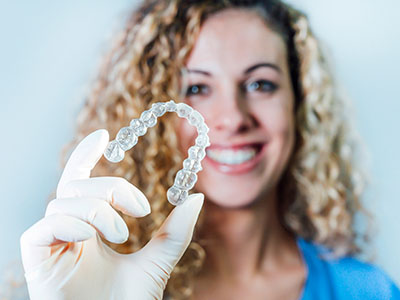
The treatment is based on a planned sequence of removable aligners that are designed specifically for each patient. Because the aligners are nearly invisible, many patients appreciate the understated appearance during treatment, whether they are at work, school, or social events.
Invisalign® treatment is engineered to be predictable and trackable: clinicians use 3-D imaging and treatment planning software to map tooth movement from start to finish. That planning informs the fabrication of each aligner, helping ensure that adjustments happen in the intended order and at the intended pace.
At the heart of clear-aligner therapy is precise digital planning. During an initial assessment, your clinician captures a detailed 3-D scan of your teeth. That data is imported into specialized software that allows the team to visualize the complete course of treatment, predict tooth movement, and decide when and where each aligner will apply force.
Once the treatment path is finalized, a series of aligners is manufactured to follow that plan step by step. Each tray is slightly different from the previous one, nudging teeth toward their target positions. The process relies on careful sequencing rather than single large adjustments, which helps preserve comfort and control.
Because the plan is created before any aligners are produced, both patient and clinician can review expected milestones and discuss how the case will be monitored. This forward-looking approach gives patients a clearer sense of the timeline and clinical checkpoints throughout treatment.
Treatment begins with a focused consultation and a precise digital scan or impression. From there, a custom treatment plan is developed and the first set of aligners is fabricated. Patients usually receive multiple trays at a time and change them according to the schedule recommended by their clinician.
Most patients wear aligners during the day and night, removing them only to eat, brush, and floss. Consistent wear is important because the aligners exert force only while they are in place; adherence to the prescribed daily wear time supports steady progress. Periodic check-ups allow the clinician to confirm movement and make minor adjustments if necessary.
Comfort-wise, many people find that aligners cause only modest pressure for the first few days after switching trays. If attachments or rubber bands are part of the plan, the clinician will explain their role and how to use them safely. Ongoing communication with the dental team helps resolve questions and keeps the treatment on course.
A major advantage of removable aligners is the ability to maintain regular oral hygiene without brackets and wires getting in the way. Patients should remove aligners to eat and to clean teeth thoroughly after meals. Rinsing aligners and using a recommended cleaning method helps prevent buildup and keeps trays fresh.
In the first days of wearing new trays, speech may be slightly affected, but most people adapt quickly. It helps to practice speaking and to be mindful of how long trays are out of the mouth; consistent wear supports both comfort and clinical progress. Small lifestyle adjustments—like carrying a case and a soft travel toothbrush—make day-to-day management simple.
If attachments are used, they are placed on selected teeth to improve the efficacy of specific movements. These are tooth-colored and designed to be discreet. Your clinician will review how to clean around them and what to expect during routine follow-ups so you can maintain oral health throughout treatment.
Active tooth movement is only part of the process; retention is essential to preserve results. After your aligner series is complete, your clinician will recommend a retainer program tailored to your needs. Retainers help teeth settle into their new positions and reduce the chance of relapse over the months and years that follow.
Retention strategies vary, but the key principle is the same: consistent, ongoing use as directed by your clinician protects the alignment you've achieved. Regular review appointments allow the dental team to assess fit and make recommendations if adjustments are needed.
Long-term success combines careful treatment planning, adherence during the active phase, and a sensible retention plan. Patients who engage with each step and maintain open communication with their dental team typically experience the most reliable outcomes.
Our practice integrates modern digital tools and a patient-centered workflow to deliver clear-aligner care that is informed by technology and clinical experience. We prioritize clear communication, careful planning, and consistent follow-up so patients understand each phase of treatment and feel supported throughout the process.
Whether you are exploring aligners for the first time or seeking an alternative to metal braces, our team evaluates each case on its clinical merits and recommends a course of action that balances predictability, comfort, and long-term stability. We use established methods and evidence-based techniques to guide treatment from consultation through retention.
For patients in Greenville and the surrounding communities, our approach emphasizes respect, clarity, and professional oversight at every stage. If you are considering Invisalign® and want to learn how it may fit your goals, our clinicians will walk through the options and answer your questions in plain, helpful terms.
Choosing Invisalign is a big step, and having the right expert by your side makes all the difference. Our Top 1% Invisalign Provider takes the time to understand your unique goals, answer all your questions, and guide you through every stage of the process. From your initial consultation to the final aligner, we create a treatment plan that is fully customized to your smile and lifestyle. With advanced digital scanning and precise planning, your aligners will fit comfortably and move your teeth efficiently, giving you a predictable path to a straighter, healthier smile.
Throughout your Invisalign journey, you’ll be supported by a caring, experienced team committed to making each visit smooth and stress-free. We focus on providing a comfortable experience, attentive monitoring, and guidance to help you stay on track so your results exceed expectations. Because we limit the number of patients we treat at a time, appointment availability is limited. If you’re ready to begin transforming your smile, now is the perfect time to schedule your consultation and take the first step toward lasting confidence.

Begin with an evaluation that reviews your oral health, alignment goals, and whether clear-aligner treatment is a suitable option based on your individual needs.
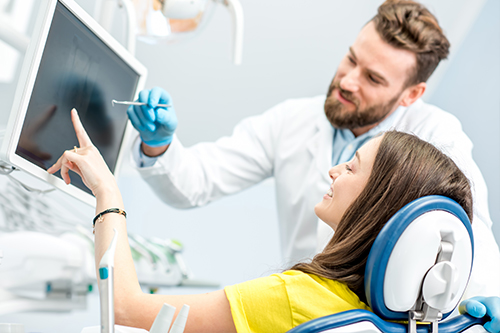
A fast, accurate digital scan captures your current bite and allows your clinician to map a customized sequence of tooth movements, with a preview of expected results.
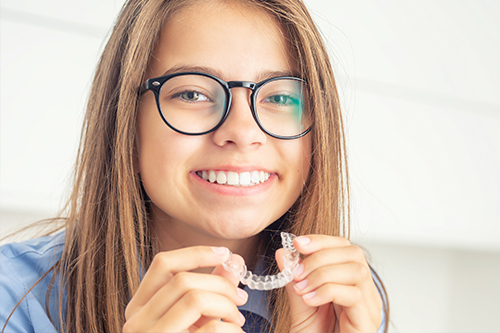
Your aligners are produced using digital models and quality-controlled manufacturing processes so each tray fits closely and delivers the intended gentle forces.

From the first set of trays to the retention phase, your dental team provides regular monitoring and practical guidance to keep progress on track.
*Invisalign® is a registered trademark of Align Technology, Inc.
Ready to learn whether Invisalign® is the right path for your smile? Contact us to request more information or to schedule a consultation with our team.

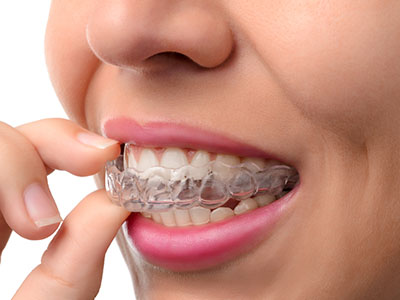
There are many options for patients who want to avoid metal braces! The most popular alternative orthodontic treatment is Invisalign®, which are clear plastic aligners designed to straighten teeth. After an examination of your teeth, your dentist will determine which option is best suited to your wants and needs.
According to the Invisalign® website, the cost for treatment is approximately the same as the cost for metal braces. A portion of this cost may be covered by your insurance. Please call us to set up a consultation and discuss potential payment plan options.
The first step is to schedule a consultation with your doctor, so they can devise a treatment plan that is best suited to your individual dental needs. Once approved, you will receive your first set of aligners. Your doctor will then regularly monitor the movement of your teeth and new aligners will be ordered according to the progress made in your treatment plan.
Invisalign® aligners are made of clear, flexible plastic. The company received a patent for this material – SmartTrack® – to be used exclusively for Invisalign treatment purposes. These aligners are FDA approved and nearly invisible!
Your doctor will give you an estimate regarding how long your Invisalign® treatment should take, which will depend on your specific needs. The average length of time for treatment is approximately 12-18 months. However, some patients may see results far sooner. Remember to wear your aligners exactly as instructed by your doctor to obtain the best results.
Your doctor will most likely recommend that you wear retainers following your Invisalign® treatment. This is a precaution that will prevent your teeth from shifting back to their original positioning. It is important to follow your doctor's instructions exactly to ensure long-lasting results.
You must wear your aligners for up to 22 hours daily. You may remove them for eating, drinking and regular oral hygiene.
No. Unlike braces, you may eat whatever you like as long as you remove the aligners before eating. Prior to placing the aligners back on, it is important to brush your teeth and the aligners after you eat.
Like any orthodontic treatment, there is a short adjustment period. The more you speak with the aligners on, the quicker you will adjust.
There will be some pressure and minor discomfort for a day or two after each initial insertion. This is a sign that your teeth are moving sequentially into their final position.
It is recommended that you remove your aligners prior to chewing gum as the gum will stick to the aligners.
We discourage smoking with aligners as the cigarette smoke will tend to discolor them.
Brushing them with toothpaste will keep them fresh and clean.
Regular office visits are every five to six weeks. This will ensure that your Invisalign treatment is progressing as planned.
All orthodontic patients are instructed to wear their retainers at night indefinitely. Sleeping with your retainers in at night will ensure a healthy bite and maintain the new position of your teeth.
Yes, if their teeth, including second molars, have grown in completely.
Invisalign® is a modern orthodontic system that uses a series of custom, clear plastic aligners to move teeth incrementally toward their desired positions. The aligners are virtually invisible when worn and are fabricated from digital scans of your mouth using 3-D imaging technology. Because they are removable, patients can continue to eat normally and maintain their regular oral hygiene routine while undergoing treatment.
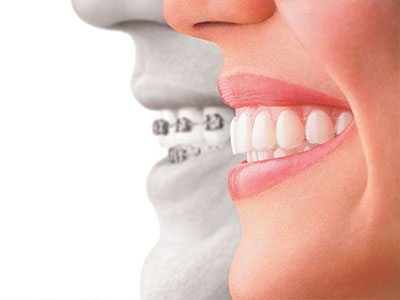
Unlike traditional braces, Invisalign® does not rely on metal brackets and wires to apply force, which reduces the risk of abrasion and makes cleaning easier. Treatment planning for Invisalign® emphasizes predictability through computer-generated simulations, allowing clinicians to plan each stage of movement in advance. Successful outcomes depend on wearing the aligners as prescribed and attending periodic checkups to monitor progress.
Invisalign® treatment begins with a comprehensive digital assessment, including intraoral scanning and bite analysis, which is used to create a step-by-step treatment plan. Each aligner in the series is slightly different, applying gentle, controlled pressure to specific teeth to guide them toward the planned positions. Advanced software models the anticipated tooth movement, allowing your dentist to refine the sequence and identify when attachments or auxiliary features are needed for more complex motions.
Attachments are small, tooth-colored shapes bonded to select teeth to improve aligner grip and control complex movements when necessary. Regular monitoring ensures that the movements are occurring as expected and that any refinements can be incorporated into later stages. This combination of digital planning, custom aligners, and clinical oversight helps maintain safety and precision throughout treatment.
Good candidates for Invisalign® typically include adults and teens with mild to moderate orthodontic issues such as crowding, spacing, and certain bite irregularities. Candidates should have healthy teeth and gums before starting treatment, as untreated decay or periodontal problems can interfere with aligner fit and tooth movement. Patients also need to be committed to wearing their aligners for the recommended 20 to 22 hours per day to achieve predictable results.
Severe or highly complex tooth movements may still require traditional orthodontic approaches or a combined treatment plan, which your dentist will discuss during evaluation. A clinical consultation and digital assessment will determine whether Invisalign® is a suitable option or if a referral to a specialist is more appropriate. When selected correctly, Invisalign® offers an effective and discreet alternative for many common alignment needs.
During the initial Invisalign® consultation, the clinician performs a comprehensive oral exam, reviews your dental and medical history, and captures a digital scan or impressions of your teeth. The scan is used to generate a virtual treatment plan that maps each stage of movement and provides a preview of the projected outcome. Your dentist will discuss the proposed timeline, any recommended attachments, the frequency of follow-up visits, and what to expect at each phase of care.
The planning stage is collaborative, allowing you to discuss esthetic goals and any practical considerations that affect daily life. If necessary, the clinician will address pre-existing dental conditions such as restorative or periodontal issues before beginning aligner therapy. This upfront planning helps deliver a safer, more efficient treatment experience tailored to your needs.
Treatment with Invisalign® proceeds by wearing each set of aligners for a prescribed interval, commonly one to two weeks, before moving to the next set in the series. You should expect mild pressure or soreness for a few days after switching to a new aligner as teeth respond to the planned movements. Periodic checkups, usually every six to eight weeks, allow the dentist to assess progress and make any necessary refinements to the treatment sequence.
As your teeth shift, the aligners will continue to fit snugly and guide further movement until the final positions are achieved. After completing the active phase, the clinician typically recommends retainers to help stabilize teeth in their new alignment and protect the long-term results. Consistent wear of aligners and follow-up care are key to achieving and maintaining the planned outcome.
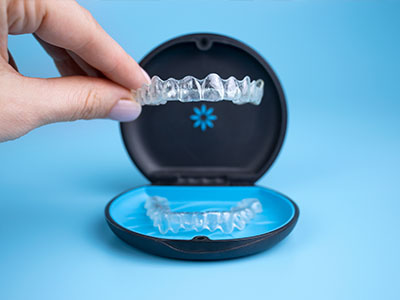
Proper aligner care begins with removing them before eating and drinking anything other than water, which prevents staining and damage. Clean your aligners daily using a soft brush and lukewarm water or a manufacturer-recommended cleaner, and avoid hot water that can warp the plastic. Keeping a protective case on hand reduces the chance of loss or contamination when aligners are removed.
Maintaining excellent oral hygiene is essential while undergoing treatment; brush and floss after meals before reinserting aligners to prevent trapped food particles and plaque buildup. Continue routine dental checkups and professional cleanings so your dentist can monitor oral health and address any issues promptly. Clean teeth and healthy gums support predictable tooth movement and a better overall result.
Invisalign® is designed to fit into most lifestyles, but it does require daily commitment to wearing the aligners for the recommended amount of time. You may notice a brief adjustment period for speech or comfort when you first start wearing the aligners, but most patients adapt within a few days. Because aligners are removable, you can participate in sports, play musical instruments, and attend special events without permanent appliances in place.
When engaging in contact sports, it is advisable to use a properly fitted mouthguard to protect teeth; consult your dentist about the best approach for wearing a guard with aligners. For travel or social situations, carry an aligner case and a portable cleaning method to maintain hygiene and compliance. Thoughtful planning and consistent wear maximize the treatment’s effectiveness without unduly restricting daily activities.
Brown Family Dentistry Group combines digital technology with clinical experience to create individualized Invisalign® treatment plans tailored to each patient's needs. We begin with a thorough oral evaluation and digital scan to model tooth movement precisely, then collaborate with the patient to align treatment goals with clinical recommendations. This process allows us to anticipate potential challenges and incorporate attachments or staging adjustments when necessary for more complex movements.
Throughout treatment, our team monitors progress through scheduled visits and communicates any refinements needed to keep the plan on track. Personalized care extends to patient education on aligner wear, cleaning, and oral hygiene to support predictable results. The goal is a comfortable, efficient experience that delivers the aesthetic and functional improvements you expect.
Invisalign® is effective for a range of alignment concerns, including mild to moderate crowding, spacing, and certain bite irregularities such as crossbites and open bites. The system can correct tooth rotation and minor vertical discrepancies when planned and executed properly with the appropriate attachments and staging. For some cases that involve severe skeletal discrepancies or complex tooth movements, adjunctive orthodontic techniques or specialist referral may be indicated.
A clinical assessment and digital planning session will clarify whether Invisalign® is the recommended approach for your specific condition. The dentist will explain which movements can be predictably achieved with aligners and outline any additional procedures that may enhance outcomes. Clear communication about clinical expectations helps ensure the chosen treatment meets your functional and esthetic objectives.
To schedule an Invisalign® consultation, call our office at (864) 322-5051 or request an appointment through our online form to set up an initial evaluation. During the visit at 1220 North Pleasantburg Drive in Greenville, SC, the team will perform a comprehensive exam, capture digital scans, and review a personalized treatment plan and timeline. Expect a thorough discussion of clinical findings and clear recommendations tailored to your goals and oral health.
Brown Family Dentistry Group welcomes new and returning patients for Invisalign® consultations and provides guidance on preparing for treatment, including any necessary pre-treatment care. If you have recent dental records or X-rays, bring them to the appointment to help streamline the assessment. Our staff will explain follow-up scheduling and what to expect at each stage of the Invisalign® process.

Ready to schedule your next dental appointment or have questions about our services?
At Brown Family Dentistry Group, connecting with us is easy! Our friendly staff is here to assist you with appointment scheduling, answer questions about treatment options, and address any concerns. Call, email, or use our quick online contact form—whichever works best for you. Take the first step toward a healthier, more confident smile today and experience the difference personalized dental care can make.

Back to top