

At the office of Brown Family Dentistry Group, the health and development of your child's smile are our highest priority. We focus on creating positive early experiences, preventing problems before they start, and teaching families the habits that lead to strong, confident smiles through childhood and beyond.

Healthy teeth and gums begin with simple, consistent care. Routine oral exams and cleanings let clinicians identify small issues before they become bigger concerns, and give parents practical guidance tailored to each stage of development. Establishing these habits early sets a child up for fewer dental problems and greater confidence in the long run.
During early visits, our team focuses not only on the clinical exam but on education — showing children how brushing and flossing work, explaining what to expect, and making the visit feel safe and predictable. When kids understand the why and the how, they are more likely to participate in their own care and adopt lasting routines.
Prevention also includes targeted measures that protect vulnerable surfaces and reduce decay risk. We prioritize evidence-based approaches that are minimally invasive, age-appropriate, and designed to support each child's growth. Caring for baby teeth matters: they guide chewing, speech development, and the proper emergence of permanent teeth.
Children respond best when the dental environment is calm and welcoming. Our team uses clear, gentle language and simple explanations to reduce fear and build trust. Small changes — from a friendly greeting to pacing the visit at the child's comfort level — can transform a routine checkup into a positive experience.
We also work closely with caregivers to prepare children for appointments. Tips such as describing the visit in neutral terms, role-playing at home, or bringing a favorite book or toy can make a big difference. When parents and the dental team present a consistent, reassuring approach, children learn that dental care is a normal, manageable part of life.
For children who need extra help — whether due to anxiety, special health needs, or a history of challenging visits — we discuss individualized strategies to ensure safe, effective care. Our priority is to respect each child's pace while delivering the clinical attention they require.
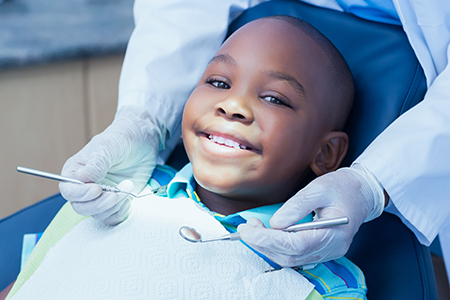
Regular checkups provide more than cavity detection. They allow clinicians to monitor dental development, track bite and jaw growth, and identify habits that could affect future alignment. Early observation means timely advice and interventions that can simplify treatment later on.
Exams are paired with professional cleanings to remove plaque and tartar that daily brushing can miss, especially in areas hard for children to reach. These preventive visits also give clinicians a chance to offer age-appropriate guidance on brushing technique, flossing, and oral care responsibilities as children grow.
Digital radiographs are used selectively when needed to see between teeth and under the surface; they help the team make informed recommendations about a child’s dental health while minimizing exposure. Each visit is an opportunity to reassess risk and adjust preventive plans as the child develops.
Tooth decay is the most common chronic disease in childhood, but it is largely preventable. Decay develops when plaque and sugar interact on teeth over time, and young children can be especially vulnerable due to developing enamel and dietary patterns. Identifying risk factors early allows families to make small, effective changes that protect teeth.
Begin dental visits early — around the first birthday — to establish routine and catch emerging issues.
Clean infant and toddler mouths gently after feedings; transition to a soft toothbrush with a pea-sized amount of fluoride toothpaste as recommended.
Avoid letting babies fall asleep with bottles containing milk or juice; water is the safer alternative.
Bring children for regular exams and cleanings so care plans can adapt as they grow.
Model good oral habits and make brushing and flossing a shared family routine.
Choose healthy snacks and water instead of sugary beverages to reduce acid challenges to teeth.
Support habits like weaning from pacifiers and thumb-sucking at appropriate ages to avoid long-term bite changes.
Ensure children wear a mouthguard during sports to protect teeth, lips, and jaw from injury.

Tooth development begins long before a child’s first birthday, and the arrival of primary teeth is an important milestone. The American Dental Association and pediatric dental organizations advise an initial dental visit by the time the first tooth appears or by the first birthday, whichever comes first.
Early visits focus on prevention and practical coaching. Clinicians check the eruption pattern, screen for any early signs of decay, and help parents learn safe, effective ways to clean tiny teeth. Guidance on pacifier use, feedings, and sleep routines is part of helping infants maintain a healthy oral environment.
Teething can be uncomfortable, and while it is a natural process, caregivers often welcome simple techniques to soothe a child. Safe teething toys, gentle gum massage with a clean cloth, or cool compresses can help. If parents are ever concerned about pain, fever, or unusual symptoms, the dental team can offer tailored advice.
As children enter school, their needs shift: permanent teeth begin to replace primary teeth, social awareness increases, and participation in sports and activities rises. This stage benefits from an emphasis on protective measures, such as properly fitted mouthguards, and reinforcement of daily oral hygiene as independence grows.
Orthodontic considerations also become more relevant during the school years. Early detection of crowding, crossbites, or spacing issues enables timely conversations about possible interventions. Monitoring at regular intervals ensures that treatment, if needed, can be planned to take advantage of growth patterns.
Coaches and parents can work with dental professionals to make injury prevention part of a child's routine. Mouthguards, helmets, and safety-minded coaching reduce the likelihood of traumatic dental injuries that can have lasting effects.
Adolescence is a period of rapid change; dental care during these years focuses on supporting functional development and helping teens take ownership of their oral health. Discussions expand to include the cosmetic and functional outcomes teens might expect, while continuing to prioritize disease prevention.
Good communication between parents, teens, and dental providers helps set realistic expectations for orthodontic options, restorative needs, or behavior-based changes like reducing sugary beverages. Clinicians provide clear explanations so teens can participate in care decisions and build habits that last into adulthood.
For issues that warrant specialist care, the dental team coordinates referrals and monitoring to make sure growth and timing are optimized. This collaborative approach aims to achieve the best functional and aesthetic outcomes with the least invasive means necessary.
Regular dental visits include evaluation of facial growth and jaw relationships. Early signs of malocclusion or asymmetry can be identified and monitored, allowing for timely recommendations. When intervention is appropriate, brief, targeted treatments during growth often simplify later care.
A balanced diet supports both general growth and oral development. Emphasize whole foods, calcium- and vitamin-rich choices, and water throughout the day. Limiting frequent exposure to sugary or sticky snacks reduces decay risk and supports healthier teeth and gums as children mature.
In summary, pediatric dental care is about prevention, education, and thoughtful monitoring at every stage of childhood. Brown Family Dentistry Group is committed to partnering with families to protect developing smiles, ease the path through dental milestones, and equip children with the knowledge and habits they need for long-term oral health. Contact us to learn more about our pediatric services or to discuss the best approach for your child.

A pedodontist is a dentist who has received advanced specialty training in meeting the dental needs of children from infancy to adolescence. Pedodontists, also referred to as "pediatric dentists," study child psychology, behavior management, caring for children with special needs, methods of handling oral/facial trauma, and various techniques for providing anesthesia and sedation. Pedodontists also understand the complexities of facial growth and development and have the clinical skills required to meet the dental needs of all children at every stage of development. Most of all, pedodontists are passionate about what they do and enjoy working with children. They strive to make every dental experience a positive one as they help children establish a strong foundation for good oral health.
Even before your child is born, their first set of teeth is already forming. In fact, by one year of age, some of your baby's front teeth will have already come into place. While the arrival of your baby's first teeth is only one of many developmental milestones, it represents an excellent time to begin a program of oral care. According to recommendations from the American Dental Association, babies should see the dentist around the time of their first birthdays.
Your baby's first teeth typically begin to appear in the 6 to 12-month range. While this is an extraordinary milestone, you need to be aware that your baby may find the experience a little bit uncomfortable. Teething can make babies feel irritable. They may be fussy, have trouble sleeping, not want to eat, and drool quite a bit.
Although you are powerless to speed up the process of teething, there are a few things that you can do to soothe your baby as the new teeth are erupting into place. Common approaches to helping your baby feel more comfortable while getting new teeth, include teething rings or a cold spoon or moist gauze rubbed over their gums.
Even for these few new teeth, it's absolutely essential to establish an effective regimen of oral care. For information on when your baby's first set of teeth will erupt into place, consult this timeline from the American Dental Association: Eruption Charts
Some children persist in sucking their thumbs or fingers beyond their preschool years. For these children, the activity continues to be a source of comfort, relaxation, and security. It may even help them fall asleep at night. However, it's essential to be aware that in the long-term, a finger sucking habit is not healthy.
If your child's thumb or finger sucking habit is still present when the permanent teeth begin to come in, your child is at a higher risk of developing a bad bite. By the age of five or six years, you need to constructively and gently help your child stop the habit.
It's also a good idea to have a comprehensive evaluation at this time. Your pedodontist can assess if there are any habit related alterations to the alignment of your child's teeth or jaws, or if it is affecting their speech or swallowing patterns. They can also discuss habit control strategies with you, as well as follow your child's bite and facial development as they grow. If interceptive appliances or corrective orthodontic care are recommended, the timetable and best options in care will be explained in complete detail.
The American Dental Association and the American Academy of Pediatric Dentistry recommend a child's first dental visit by their first birthday to establish a dental home and monitor early development. This early appointment allows the dentist to screen for risk factors such as early decay, assess feeding practices, and offer guidance on soothing teething discomfort. At Brown Family Dentistry Group, we use a gentle, age-appropriate approach to make that first visit positive and informative.
During the visit the team will review the child’s medical history, examine the gums and emerging teeth, and provide practical tips for at-home care. The dentist may recommend a personalized schedule for follow-up visits or preventive services like topical fluoride or sealants when appropriate. Parents are encouraged to bring questions so the team can tailor advice to their child's needs.
Routine dental checkups are typically recommended every six months for most children to monitor growth, clean teeth, and catch problems early. Each exam includes a clinical evaluation of the teeth, gums, bite and jaw, along with age-appropriate oral hygiene and nutritional counseling. The dentist may adjust visit frequency based on decay risk, orthodontic concerns, or a history of dental disease.
Digital radiographs are taken only when clinically necessary to evaluate developing permanent teeth or detect hidden decay. Professional cleanings remove plaque and support effective home care, and the team will discuss preventive measures such as fluoride and sealants when indicated. The aim is consistent monitoring to support healthy development through each stage of childhood.
Caring for your baby’s mouth begins before teeth erupt by gently wiping gums with a soft cloth or infant brush after feedings. Once teeth appear, use an age-appropriate soft-bristled toothbrush and a smear of fluoride toothpaste as recommended by your pediatric dentist, and supervise brushing until the child has the dexterity to do it effectively on their own. Establishing a consistent routine helps build lifelong oral hygiene habits.
Limit sugary drinks and avoid putting babies to bed with bottles containing milk or juice to reduce the risk of early decay. Offer water between meals and encourage healthy snacks that support overall growth and oral health. If you notice white spots, dark areas, or persistent discomfort, contact the dental office for advice and evaluation.
Cavities form when plaque bacteria produce acids that erode tooth enamel, a process that accelerates with frequent exposure to sugars and starches. Children are particularly vulnerable because their enamel is still developing and dietary or snacking patterns may increase decay risk. Consistent brushing, flossing, and limiting sugary or sticky foods are foundational preventive steps.
Professional preventive measures such as topical fluoride applications and dental sealants add protection for vulnerable surfaces and are recommended based on age and individual risk. Regular dental visits allow early detection and conservative treatment to stop progression of decay. Education for parents and children, combined with routine care, creates the strongest defense against cavities.
Dental sealants are a thin, protective coating applied to the chewing surfaces of molars and premolars to block bacteria and food particles from settling into grooves and pits. The application is quick, painless, and commonly recommended after permanent molars erupt, when those surfaces are most vulnerable. Sealants complement brushing and fluoride by protecting areas that a toothbrush may not fully reach.
Your dentist will evaluate when sealants are appropriate and discuss expected longevity and maintenance during routine checkups. When combined with good home care and professional fluoride, sealants significantly reduce the risk of decay on treated teeth. Sealants are a preventive option aimed at preserving a child's healthy smile with minimal intervention.
Many children feel nervous about dental visits, and a child-centered, compassionate approach can greatly improve their comfort and cooperation. Dental teams use behavior guidance, age-appropriate explanations, distraction techniques, and a calm environment to reduce anxiety and build positive associations with care. For children with special health care needs the team will customize appointments to address sensory, medical, or behavioral considerations.
When routine measures are not sufficient, the dentist may discuss additional options such as conscious sedation or other modalities to complete necessary treatment safely. Any decision about sedation is made with careful consideration of the child's medical history, the complexity of care, and safety protocols. Parents are involved throughout the planning process so the chosen approach meets the child's needs and ensures a safe experience.
The American Association of Orthodontists recommends an orthodontic evaluation by about age 7 to identify potential bite or alignment issues early in facial growth. Early evaluation allows detection of problems like jaw growth discrepancies, missing or crowded teeth, and harmful habits that can influence development. Not every child will need early treatment, but monitoring enables timely referrals and intervention when indicated.
If treatment is recommended, the orthodontist and general dentist coordinate to determine the optimal timing and method suited to the child’s growth and dental needs. In some cases, interceptive treatment can simplify later care or reduce the extent of comprehensive orthodontics. Ongoing dental visits support tracking of growth and help guide the need for orthodontic assessment.
Children may experience dental emergencies such as severe toothache, dental infections, chipped or fractured teeth, or an avulsed (knocked-out) tooth following trauma. Immediate steps include keeping calm, rinsing the mouth with clean water, applying a cold compress to reduce swelling, and preserving an avulsed permanent tooth in milk or the child's saliva if possible. Prompt evaluation by a dental professional improves the chance of saving the tooth and limiting complications.
Contact Brown Family Dentistry Group as soon as possible for guidance and urgent care; the team can advise on first-aid steps and arrange timely evaluation. After stabilizing the immediate problem, the dentist will recommend follow-up treatment to restore function and prevent infection or long-term consequences. Quick access to care is critical to protect your child's oral health after an injury.
Topical fluoride treatments and the supervised use of fluoride toothpaste are effective, evidence-based methods to strengthen enamel and lower the risk of decay in children. The dental team recommends fluoride based on each child’s age, diet, oral hygiene, and individual risk factors to provide benefit while minimizing any risk. When used appropriately under professional guidance, fluoride is a safe and valuable preventive tool.
Modern dental radiography uses low-radiation digital X-rays and follows the ALARA principle (as low as reasonably achievable), so radiographs are taken only when necessary to diagnose problems or evaluate development. Protective measures are used to limit exposure, and the dentist will explain the reasons for any images recommended for your child. Parents are encouraged to discuss safety concerns and the diagnostic benefits with the dental team.
A properly fitted mouthguard is one of the most effective ways to protect a child's teeth, lips, and jaw during contact and high-impact sports. Custom-made mouthguards provided by the dental team offer improved fit, comfort, and protection compared with generic over-the-counter options. Consistent use of a mouthguard significantly reduces the likelihood of dental trauma and related injuries.
Discuss your child’s sports participation with the dentist so the most suitable type of mouthguard can be recommended and fitted as needed. The team can check fit periodically and advise on replacement if the guard becomes worn or if the child's teeth change. Encouraging regular use of protective equipment is a simple, proactive step to preserve a healthy, intact smile.

Ready to schedule your next dental appointment or have questions about our services?
At Brown Family Dentistry Group, connecting with us is easy! Our friendly staff is here to assist you with appointment scheduling, answer questions about treatment options, and address any concerns. Call, email, or use our quick online contact form—whichever works best for you. Take the first step toward a healthier, more confident smile today and experience the difference personalized dental care can make.

Back to top